
7
Score
Tiny Houses, Mid-Sized Chill, Big Friction
SUMMERHOUSE Review
By lyndonguitar
Published on May 15, 2026 review

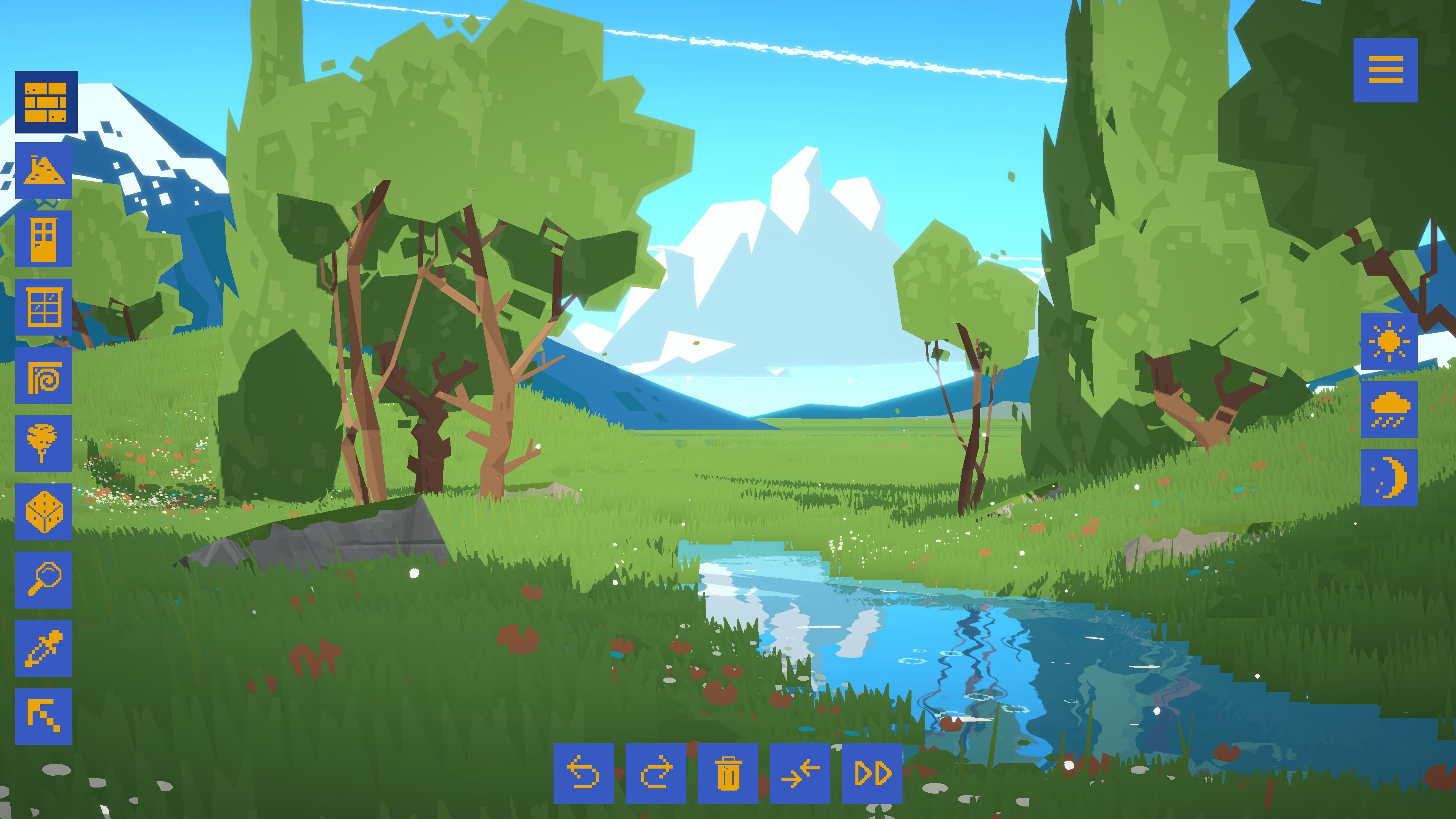

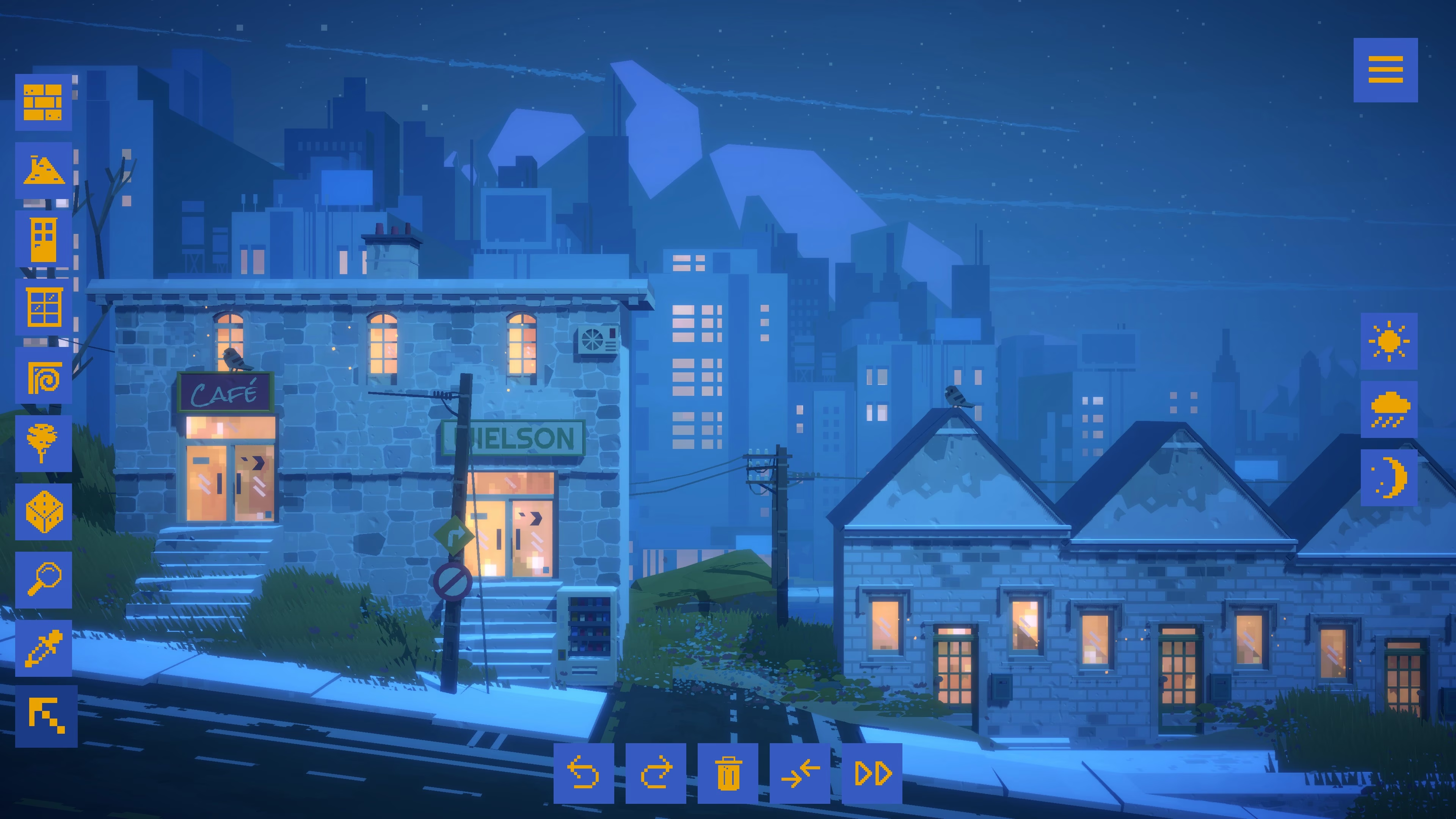
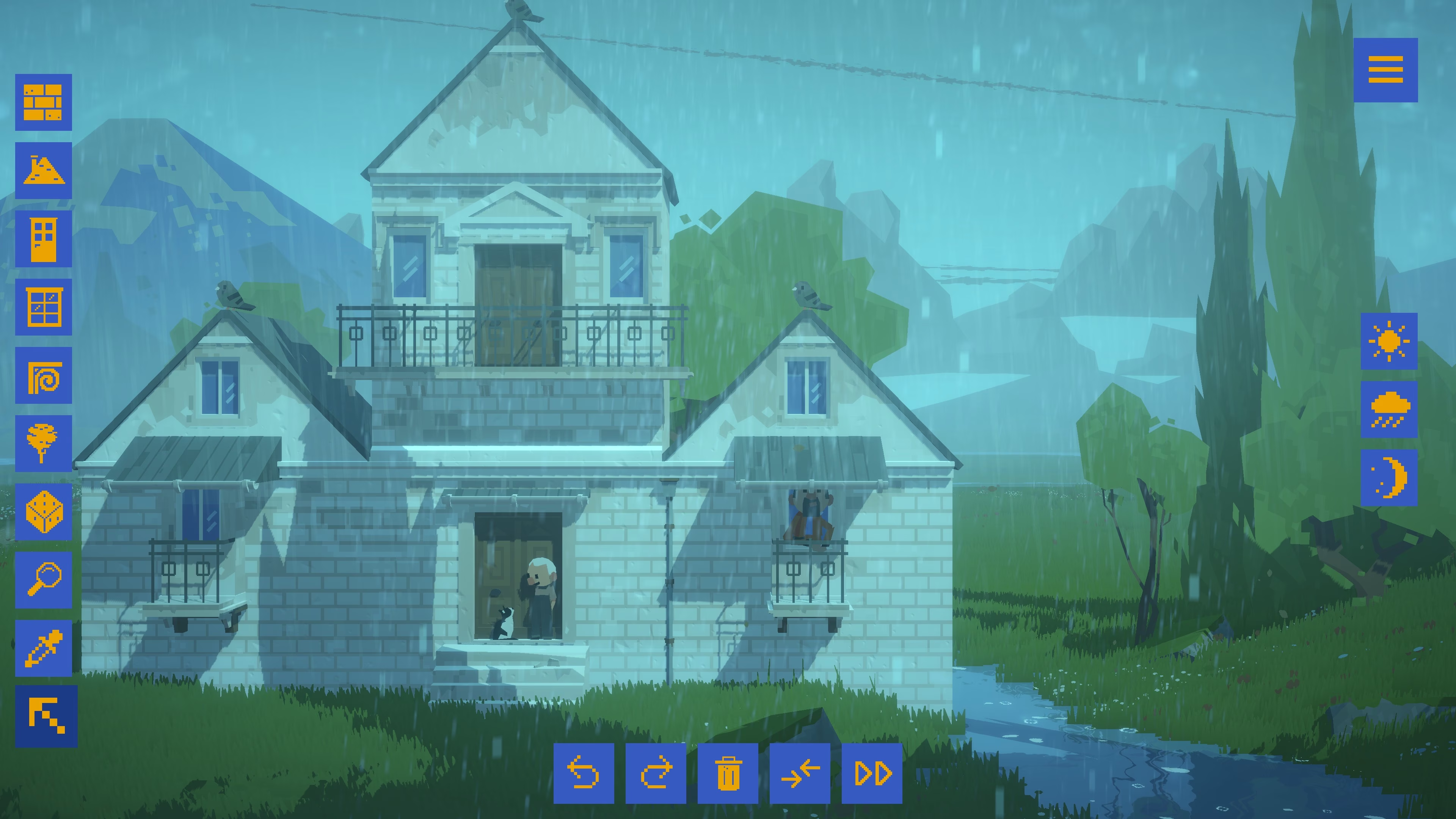
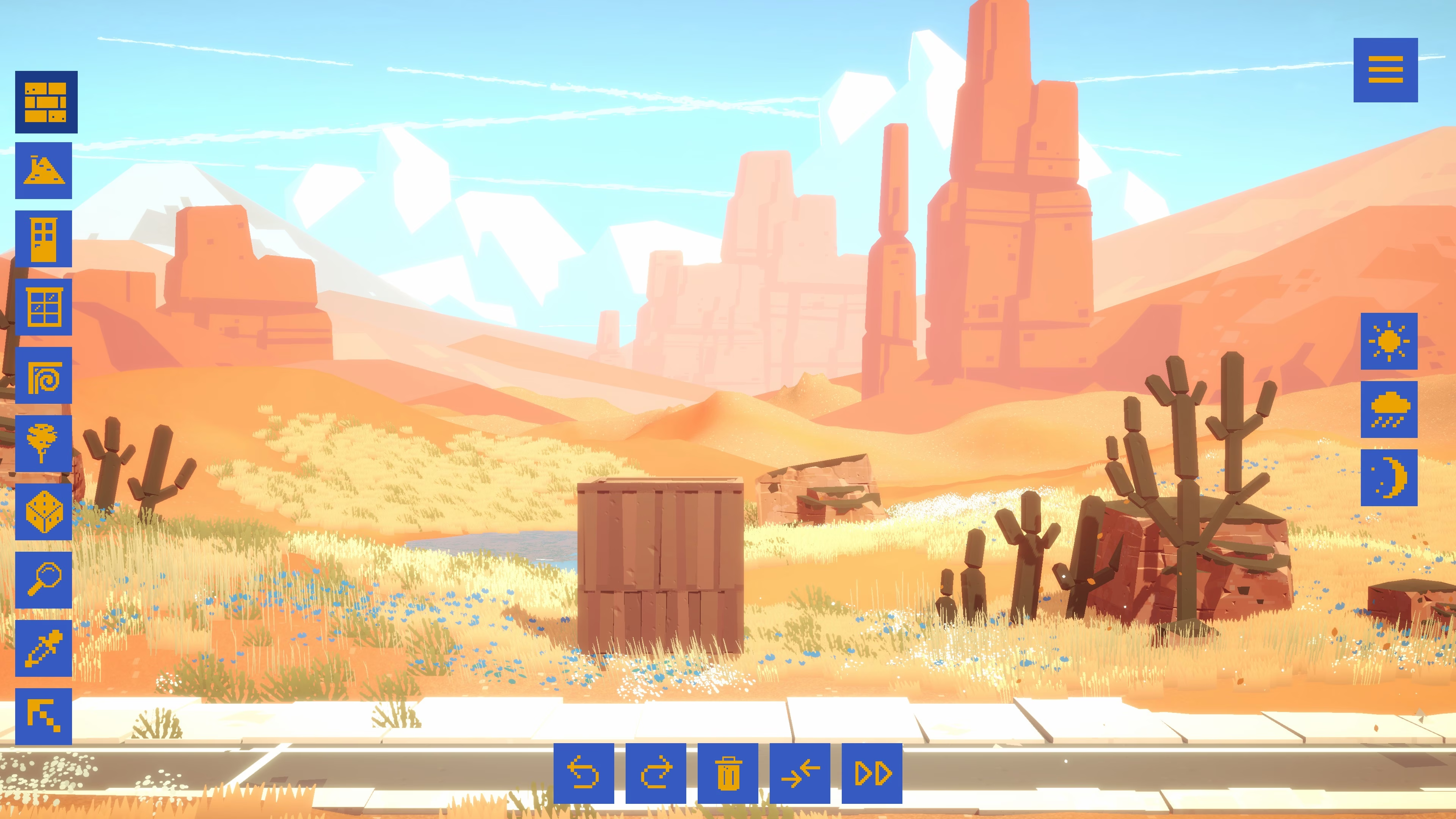
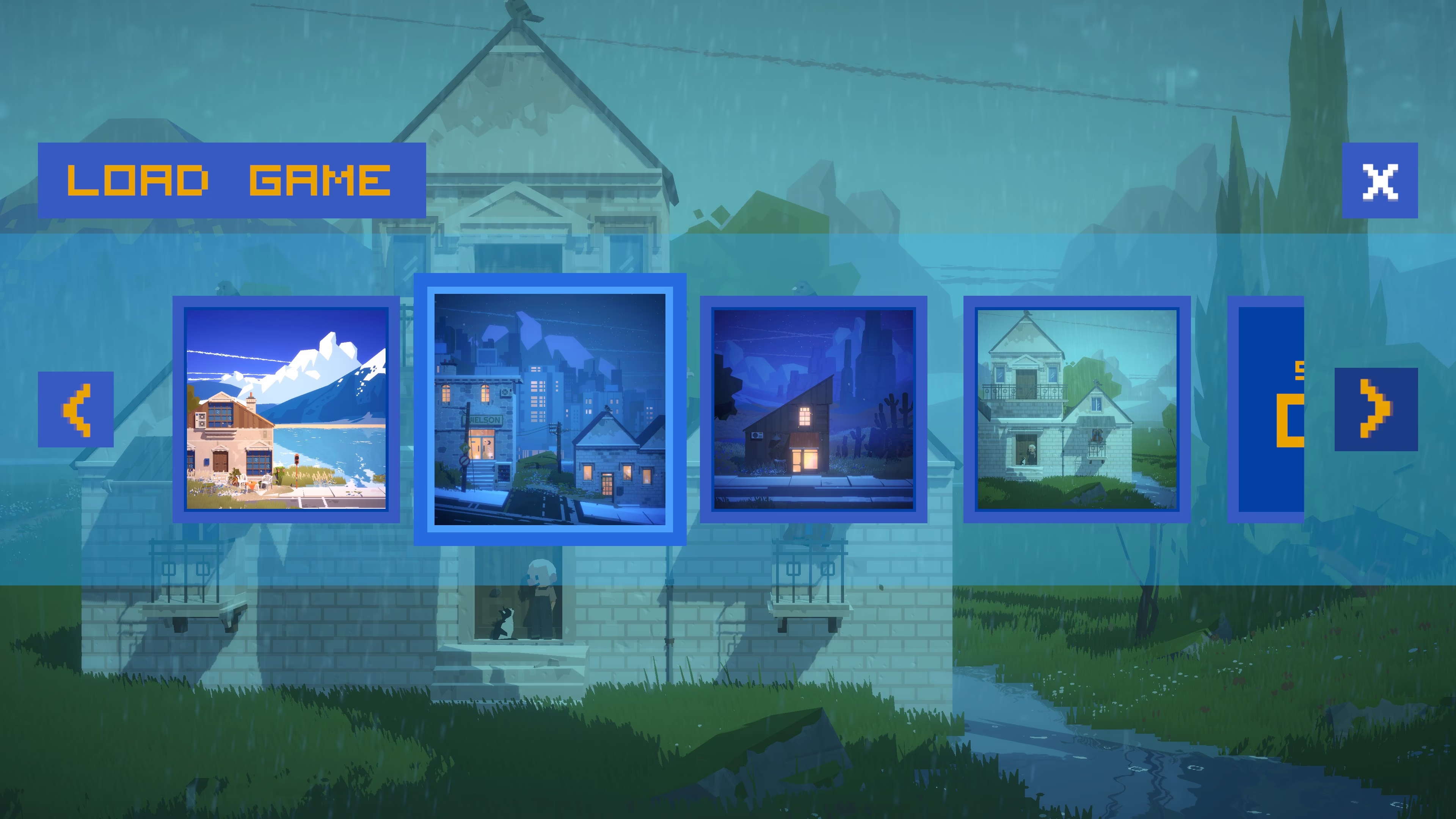
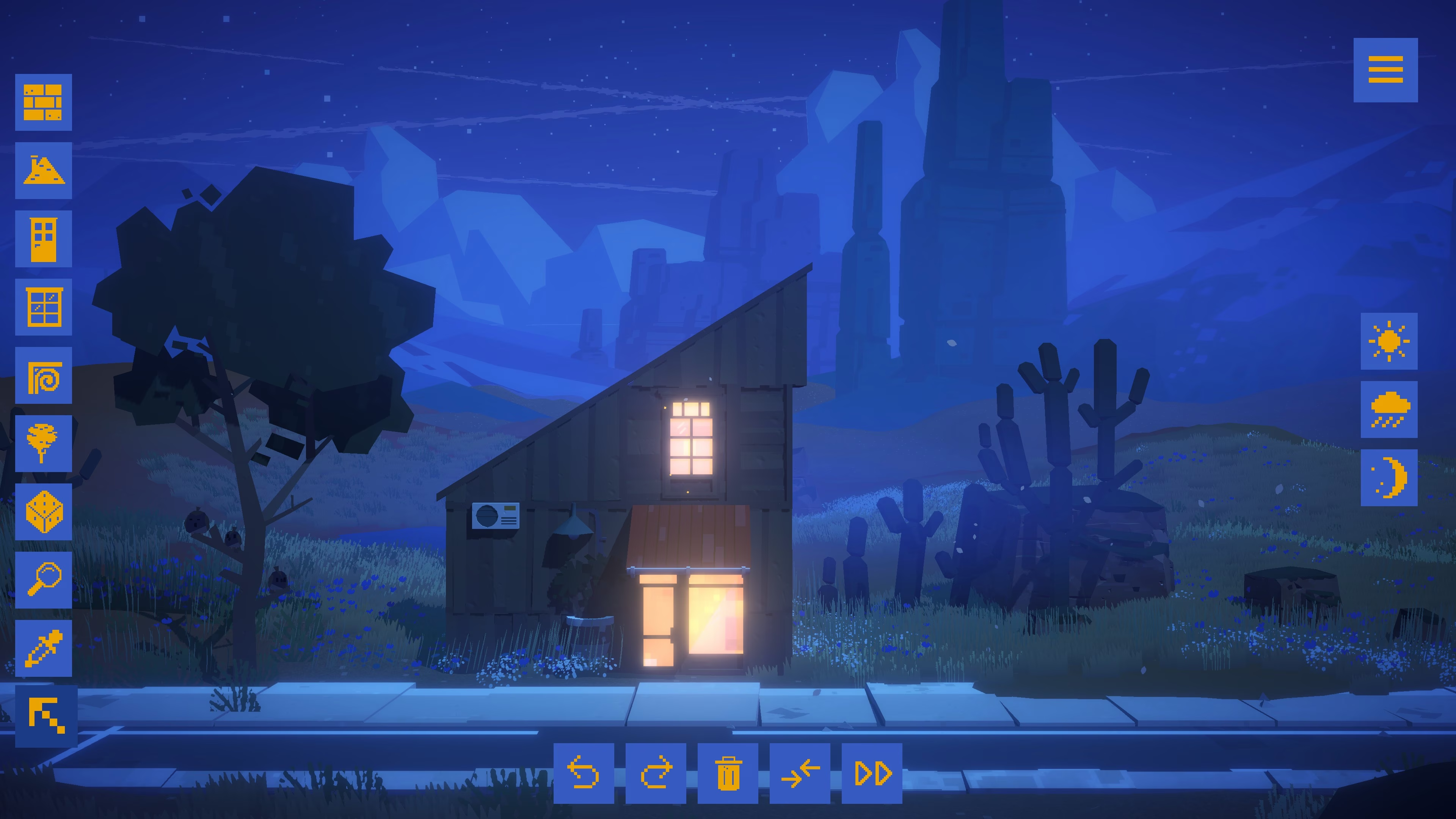

Sometimes you just want to turn your brain off and build something pretty without worrying about resource management, tech trees, or a dodging enemy attacks. That is exactly the itch Summerhouse tries to scratch. It’s a tiny, lo-fi (optional Pixel Art) building toy that strips away the “game” and leaves you with nothing but a blank canvas and a stack of shingles. It’s meant to be a digital chill-out session, but while the vibes are relaxing, a few clunky design choices keep it from being the seamless escape it wants to be.
Pros
One of the first things you’ll notice—and likely appreciate—is how the game handles its visual identity. In an era where “pixel art” is often used as a catch-all for indie aesthetics, this title understands that one size does not fit all. On a handheld like a Steam Deck, the heavy pixelated filter looks nostalgic and right at home. However, fire this up on a bigger monitor, and that same filter becomes a distracting, jagged mess that’s genuinely hard on the eyes.
The developers were smart enough to include a toggle to remove that pixelation, and honestly, it’s a game-changer. Once you strip away the artificial grain, you’re left with a clean, low-fi visual style that is wonderfully done. It retains that “toy-like” charm while offering a clarity that makes the building process much more pleasant, you can even see more details that you otherwise would not have seen. It’s a thoughtful touch that provides accessibility to a wide range of players. Unfortunately though, this Pixel-Art filter removal does not extend to the icons of the placable entities in the menus (They’re still pixelated)
For a game that markets itself as a “chill” builder, there is a surprising amount of friction in the basic controls. You’d expect a creative sandbox to feel fluid, where your ideas translate instantly from your brain to the screen. Instead, the controls implementation on both Keyboard/Mouse and Controllers feels very heavy and unoptimized. Every time you want to rotate/move a piece or nudge a decoration into place, it feels like you’re putting in way more effort than should be required.
This friction bleeds directly into the UI. Selecting items and navigating through the menus is cumbersome, lacking the snappy intuition found in modern building sims. I found that the best way to play was actually to lean into the random tile mode. By letting the game feed me pieces at random, it bypassed some of the menu-scrolling headaches, but it meant frequently getting a stretch of items I had absolutely no use for. It’s a strange paradox where the game is at its best when you have the least amount of control over your inventory.
The hurdle here isn’t just the controls, though—it’s also the depth. You go in expecting to build sprawling, intricate neighborhoods or perhaps a bustling little village, but the reality is much more constrained. The pool of building elements and decorations is surprisingly shallow.
Once you’ve finished your first few projects, the “new game smell” evaporates almost instantly. There just isn’t enough variety in the assets to justify a long-term stay. You’ll find yourself reaching for a specific window or a certain type of roof, only to realize you’ve already used the only three options available. They dont even mesh well with other designs so it also severely limits the possible combinations on an already shallow selection. It’s a cute builder at its core, but the lack of intuitive controls paired with the limited creative ceiling means the replay value is essentially non-existent. You can see the entire soul of this game in a single sitting.
If there is one area where the game absolutely nails the “vibe,” it’s the audio. The soundtrack is an absolute masterclass in relaxation. It is very, very, very chill—the kind of music that wraps around you like a blanket. More than once, I found myself just sitting there, not even building, just letting the loops play. It’s so effective at setting a mood that it can be a legitimate sleep aid. “cozy gaming” wise, that is a massive win. Even when the controls were testing my patience, the music kept me grounded and prevented the experience from becoming truly frustrating.
At the end of the day, your enjoyment of this one is going to come down to your expectations when considering the price. It’s a low-cost entry into the genre, and for the price of a fancy coffee, you get a charming, aesthetic house-builder that will definitely kill a literal couple of hours. It’s not the next big obsession for fans of the genre, and it won’t replace your favorite cozy games, but it’s a respectable little diversion. It’s a “sitting or two” kind of game, and sometimes, that’s exactly what you need.